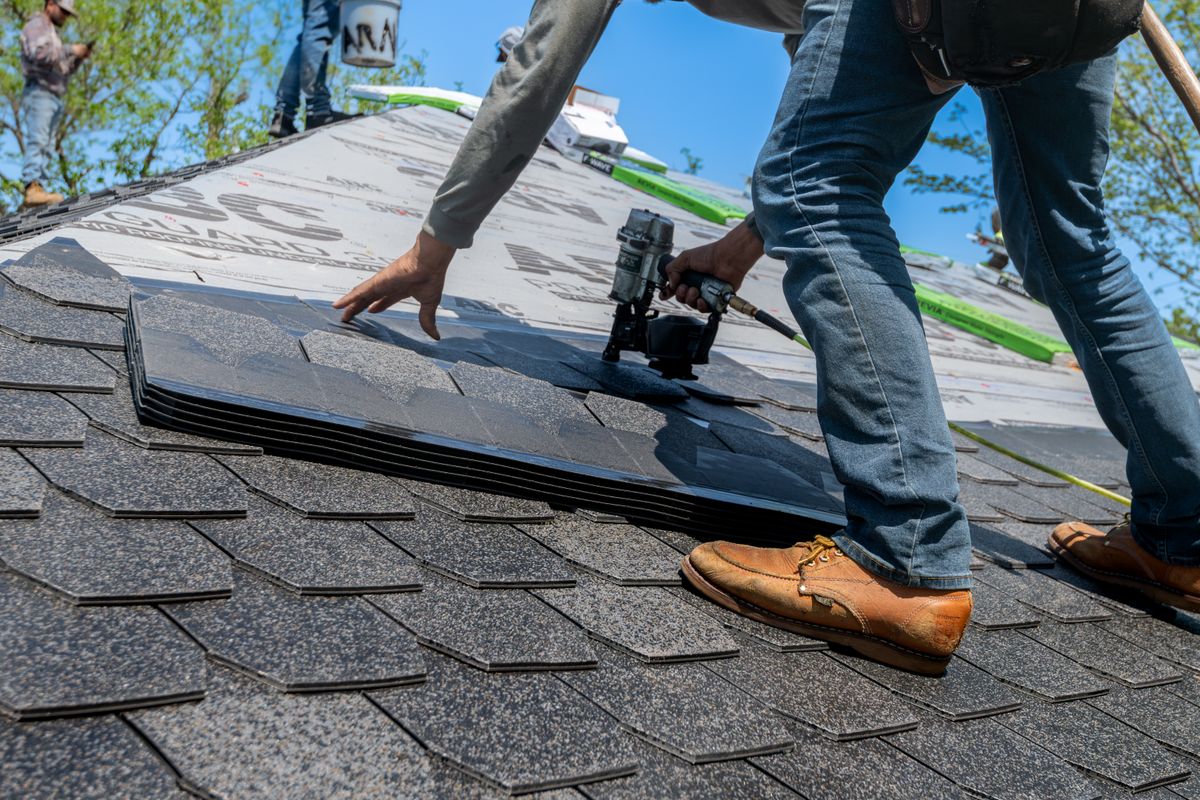
A quality roof replacement in the Dallas–Fort Worth area represents one of the largest home improvement investments you'll make - often $10,000 to $25,000 or more depending on size, material, and complexity. The good news is that with a consistent maintenance program, you can extend your roof's productive lifespan by 5 to 10 years, delaying that investment significantly.
Yet most homeowners give their roofs almost no attention between storms. They wait for a visible leak, missing shingle, or insurance claim before calling a roofer. This reactive approach is far more expensive over time than a simple proactive maintenance routine.
Here are ten maintenance strategies every Texas homeowner should implement - along with specific reasons they matter in our climate.
1. Schedule Professional Inspections Twice a Year
The foundation of any good maintenance program is knowing your roof's actual condition. Visual inspections from the ground can reveal obvious problems, but a trained roofer on the roof will find granule loss patterns, micro-cracking, lifted flashing, deteriorating sealant, and early-stage hail damage that are invisible from street level.
The best timing for inspections in North Texas is late spring (after hail season has peaked and before summer's worst heat) and late fall (after summer's thermal stress and before winter cold snaps). These windows give you maximum visibility into what the past season has done to your roof while leaving time to address problems before the next season's stresses begin.
Document every inspection with photos and written notes. A documented inspection history is valuable when filing insurance claims, because it establishes baseline condition and makes it easier to attribute specific damage to specific storm events.
2. Keep Your Gutters Clean and Functional
Gutters exist to direct water away from your home's foundation and prevent it from entering beneath your roofline. When they're clogged with leaves, twigs, and debris, water backs up and pools at the roof edge. In Texas, clogged gutters during a heavy rain event can send water under the starter strip and shingles, saturating the wood decking beneath and creating rot, mold, and structural damage that is expensive to repair.
Clean your gutters at minimum twice a year - spring and fall - and after any major storm that drops a significant amount of debris. If you have mature trees overhanging or near your roof, quarterly cleaning may be necessary. While you're cleaning, also inspect downspouts for clogs, check that all sections are securely fastened, and look for any rust, holes, or separating joints.
Installing gutter guards is a reasonable investment that significantly reduces cleaning frequency, especially for homes with significant tree coverage. Commit Roofing installs several styles of gutter protection systems appropriate for Texas rainfall patterns.
3. Trim Overhanging and Nearby Trees
Trees near your home are a gift for shade and aesthetics, but overhanging branches create multiple roofing problems. Beyond the obvious risk of branch failure during storms, overhanging limbs scrape and abrade shingles every time the wind blows, mechanically removing protective granules over time. Fallen leaves and organic debris accumulate on the roof, retaining moisture and accelerating shingle degradation.
As a general rule, keep all branches trimmed a minimum of 6 to 10 feet from your roofline. If large trees are within 20 feet of your home, have an arborist evaluate them for disease or structural weakness - a single fallen tree can cause catastrophic roof damage and is often only partially covered by homeowner's insurance.
4. Address Moss and Algae Before They Take Hold
The dark streaks you see running down older roofs in the DFW area are typically Gloeocapsa magma, a type of blue-green algae that feeds on the limestone filler in asphalt shingles. Left untreated, algae creates an environment where moss can establish itself. Moss goes further - it anchors into shingles with root-like structures called rhizoids that physically lift and separate the shingles as the moss expands and contracts with moisture cycles.
Treatment requires zinc or copper sulfate-based solutions applied by a professional. Never use a pressure washer on asphalt shingles - the pressure removes protective granules just as effectively as hail does. For prevention, zinc or copper strips installed at the ridge allow rainwater to carry small amounts of metal ions across the roof, inhibiting future growth.
5. Ensure Adequate Attic Ventilation
This is one of the most overlooked - and most important - factors in roof longevity in Texas. During summer, an inadequately ventilated attic can reach temperatures of 150–160°F. This extreme heat cooks asphalt shingles from the inside out, causing them to dry out, become brittle, and lose granules years before they should.
Proper ventilation requires a balanced system: intake at the soffits and exhaust at or near the ridge. The general guideline is 1 square foot of ventilation for every 150 square feet of attic floor space. Signs of inadequate ventilation include shingles that age prematurely, excessive attic heat in summer, ice dams in winter, and high cooling costs.
If you're planning a roof replacement, this is the ideal time to upgrade your ventilation system. At Commit Roofing, every replacement project includes an attic ventilation assessment.
6. Inspect and Reseal All Roof Penetrations
The most common source of roof leaks is not the field shingles themselves - it's the penetrations: chimneys, plumbing vent pipes, HVAC equipment, skylights, and satellite dishes. The flashing and sealants around these penetrations are exposed to the same thermal cycling as your shingles, and they degrade over time.
Inspect all flashing annually. Look for lifted metal, cracks in caulk, rust stains, or areas where the flashing has separated from the wall or chimney. Re-caulk any areas showing deterioration with a roofing-grade, UV-resistant sealant. Chimney step flashing and counter-flashing in particular should be checked carefully - this is a high-failure area on older DFW homes.
7. Repair Small Problems Immediately
A single missing shingle is a manageable repair - typically $150 to $300. The same missing shingle left unaddressed for a season means the exposed decking gets wet, the adjacent shingles begin to fail from moisture underneath, and what started as a one-shingle repair becomes a $2,000 to $5,000 deck and shingle replacement. This pattern repeats itself constantly in the roofing industry.
After every significant storm event - and at least annually - walk around your home and look at your roof with binoculars. Any visibly lifted, cracked, missing, or discolored shingles should be addressed within weeks, not months.
8. Maintain Your Roof's Ice and Water Shield
Ice and water shield is a self-adhesive waterproofing membrane applied beneath shingles at vulnerable areas - eaves, valleys, around penetrations, and along rakes. In Texas, where we occasionally see ice storms and heavy driving rain, this layer provides critical secondary protection when the primary shingle layer is compromised.
While you can't inspect ice and water shield directly without removing shingles, you can watch for signs that water is entering at these vulnerable areas - ceiling stains near exterior walls, wet insulation in the attic near eaves, or visible water tracks in the attic near valley intersections.
9. Keep Records of Every Inspection and Repair
Maintain a dedicated folder - physical or digital - for all roof-related documentation: inspection reports, repair invoices, warranty certificates, and storm documentation. This history serves you in multiple ways:
- Insurance claims: establishes prior condition and makes storm-specific damage easier to attribute
- Home sales: documented maintenance history is a positive selling point and can support higher valuations
- Warranty claims: most manufacturer warranties require documented maintenance to remain valid
- Planning: a clear maintenance history helps you predict when major work or replacement will be needed
10. Know When Maintenance Ends and Replacement Begins
No maintenance program can make a failing roof perform like a new one. Part of good roof stewardship is knowing when you've crossed the threshold from productive maintenance into throwing money at a roof that is fundamentally at end of life. Signs that you've crossed this threshold include:
- Repairs more than once per year in the same area
- Multiple areas of the roof failing simultaneously
- Granule loss severe enough to see bare mat on multiple shingles
- Widespread shingle cracking across the field
- Decking damage requiring replacement of structural components
At Commit Roofing, we give homeowners honest assessments. If maintenance is the right answer, we'll tell you exactly what to do. If replacement is more cost-effective, we'll explain why with specific data from your inspection. Contact us today to schedule your free roof evaluation and get on a maintenance plan that protects your investment year-round.