Leaks Don't Wait - Neither Do We
Water is deceptive. It enters at one point, travels along rafters and insulation, and surfaces somewhere completely different. That ceiling stain under your skylight may actually be a chimney flashing failure 15 feet away. Commit Roofing diagnoses every leak systematically - attic first, then exterior - before proposing any repair scope. We fix the actual problem, not the most obvious suspect.
What We Repair
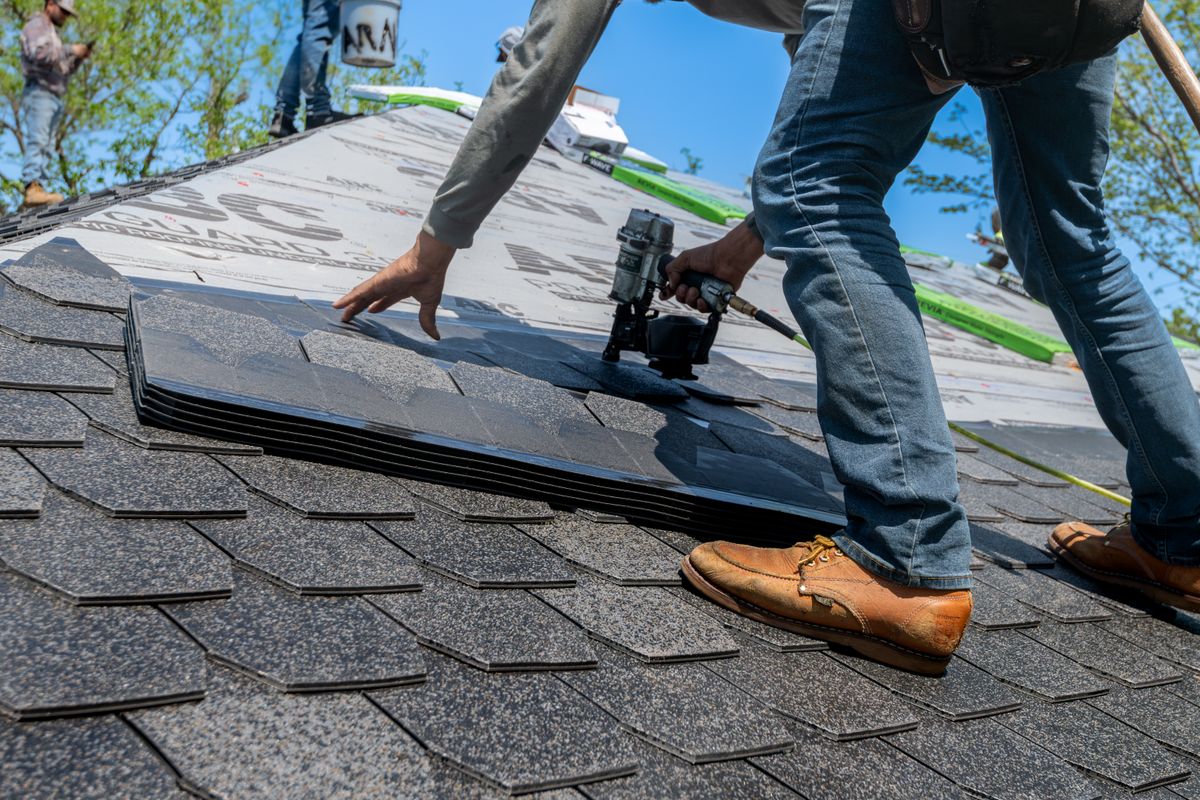
- Missing or Damaged Shingles: Wind events throughout DFW lift and crack shingles regularly. We replace damaged shingles, inspect surrounding areas for secondary damage, and source the closest color match to your existing roof.
- Flashing Failures: The #1 cause of residential roof leaks. We repair and replace step flashing, chimney counter-flashing, pipe boot flashings, skylight curb flashing, valley metal, and drip edge - the full range of transition details where most leaks originate.
- Valley Repair: Valleys carry the highest water concentration on any roof. We repair open, closed-cut, and woven valley configurations with proper underlayment restoration underneath.
- Soft Spots and Deck Damage: Spongy areas underfoot mean moisture-compromised sheathing. We cut out and replace damaged decking sections before re-roofing over the affected area.
- Skylight and Chimney Sealing: We reseal perimeters, replace failed curb flashing, and address the masonry on chimney details that have deteriorated over time.
Repairs on Solar-Equipped Roofs
Have solar panels? Not a problem. When the repair area is near or beneath your array, we work carefully around the mounting hardware without disturbing the system wherever possible. If panel removal is required to properly access the damage, we remove each panel with care, complete the repair, and reinstall everything back to its original position - mounts, connections, and all. Your solar investment is protected every step of the way.
Repair vs. Replace - An Honest Answer
If your DFW roof is under 15 years old with isolated damage, repair is almost always the right call. If it is 18–22+ years old with widespread granule loss or multiple leak points, the math usually favors replacement - especially if repair costs approach 30–40% of replacement cost. We give you a straight answer either way, backed by photos and a written report.